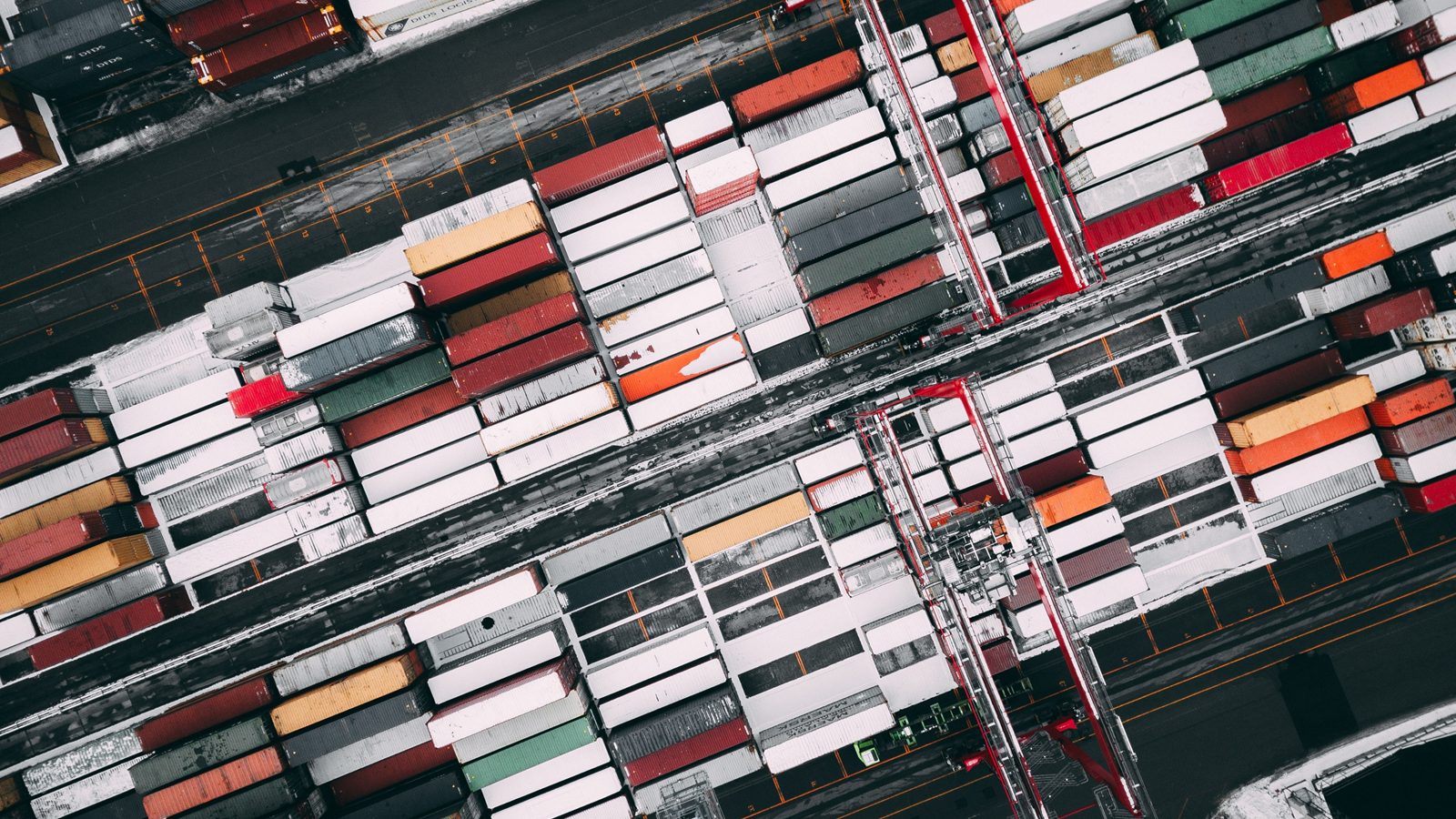
Overhead shot of freight ship
4 min read

Selling products online to customers overseas

Selling products online can give your business access to customers around the world. However, selling to customers in other countries can involve additional rules covering areas such as customs, VAT, product requirements and delivery.

This guide provides an overview of what UK businesses need to consider when selling products online to customers overseas.

Do I need to register a business to sell products overseas?

If you’re trading as a business, you’ll need to make sure your business is set up and registered correctly. Depending on how you choose to operate, this could be as a sole trader, partnership or limited company.

Selling to customers overseas can bring additional responsibilities, but it doesn’t require you to use a particular UK business structure.

You’ll also need to consider the rules that apply to the countries you’re selling to and, if you’re exporting goods, the UK customs requirements that apply when the goods leave the UK.


What do I need to consider when selling goods overseas?

If you sell goods online to customers overseas, you’ll need to consider customs requirements, VAT and the rules that apply in the country you’re selling to.

For businesses in Great Britain (England, Scotland and Wales), goods sent to customers outside the UK are exports. You’ll normally need to:

  • check whether you need an Economic Operators Registration and Identification number (EORI number)
  • use the correct commodity code for the goods
  • provide the required information for a customs declaration
  • prepare appropriate commercial invoices and other documentation
  • check whether any licences, certificates or proof of origin are required
  • keep appropriate records of the sale and export.

A courier, postal operator or customs agent may deal with some customs formalities on your behalf, but you remain responsible for providing accurate information about the goods you export.

What about VAT?

If you’re VAT registered, most goods exported from Great Britain to destinations outside the UK can be zero-rated for UK VAT, provided the relevant conditions are met. You’ll need to obtain and keep evidence that the goods have left the UK.

Different rules apply to goods moving between Northern Ireland and the EU, so businesses in Northern Ireland should check the rules that apply to their particular sale.

What if I provide services overseas?

Different VAT rules apply if you provide services to customers overseas. Whether UK VAT is due depends on factors including the type of service, where the customer belongs and whether they’re a business or consumer. Check HMRC’s place-of-supply rules for the service you’re providing.

See HMRC’s guide to exporting goods from the UK for more information.

What is a proof of export?

If you’re VAT registered and zero-rate goods that you export, you must keep evidence showing that the goods have left the relevant territory.

For goods exported from Great Britain, you need evidence that they have left the UK. For goods exported from Northern Ireland, different rules apply depending on their destination.

HMRC accepts different forms of official or commercial evidence of export. You’ll also need supporting records showing that the sale took place. If you don’t obtain satisfactory evidence within the required time limit, you may have to account for UK VAT on the sale.

Evidence of export must generally be kept for six years.

What evidence should I keep when exporting goods?

HMRC accepts different combinations of evidence as the requirements vary according to how the goods are exported. However, your records should typically include:

Evidence that the sale took place: Keep records such as the customer’s order, sales invoice and evidence of payment.

Details of the goods: Your records should identify what was sold, including the description, quantity and value of the goods.

Customer details: Keep the customer’s name and delivery address.

Evidence that the goods left the UK: Keep appropriate official or commercial evidence from the customs system, carrier, courier, freight forwarder or postal operator.

Transport and delivery records: Retain relevant shipping, tracking, consignment or delivery information that supports the movement of the goods overseas.

Customs records: Keep copies or records of relevant customs declarations and other export documentation.

Keep the records together: Taken together, your records should demonstrate both that a sale took place and the goods were actually exported.

What rules apply when selling online to overseas customers?

When you sell goods online, you need to comply with the rules that apply to online and distance selling, as well as the customs and VAT requirements that apply to exports.

For UK online sales requirements, you’ll generally need to provide customers with clear information about your business, the goods you’re selling, prices, payment and delivery arrangements. Your online ordering process should also make it clear when the customer is committing to pay and allow them to correct errors before placing their order. You must confirm the contract after an order has been placed.

When selling to customers overseas, you’ll also need to check the consumer, product, tax and other rules that apply in the country you’re selling to. Requirements can vary between markets.

Find out more from the government’s online and distance selling guidance and guidance on exporting through ecommerce.

End of Article
Share this content

Brought to you by:

AAT Business Finance Basics

AAT Business Finance Basics are a series of online e-learning courses covering the core financial skills every business needs. They draw from AAT’s world-leading qualifications and will quickly build your knowledge on key topics including bookkeeping, budgeting and cash flow.

Visit partner's website

Register with Informi today:

  • Join over 30,000 like-minded business professionals.
  • Create your own personalised account with curated reading lists and checklists.
  • Access exclusive resources including business plans, templates, and tax calculators.
  • Receive the latest business advice and insights from Informi.
  • Join in the discussion through the comments section.

or