

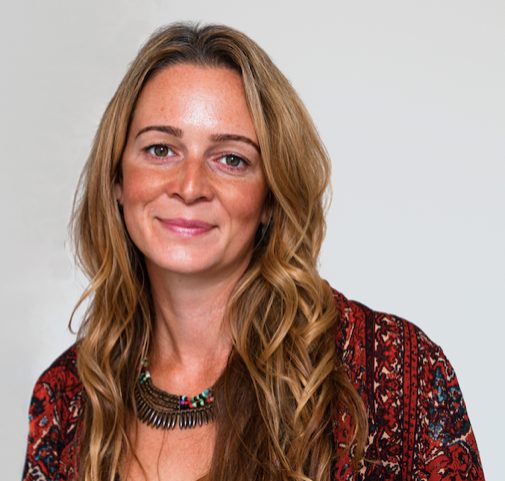
For many freelancers, the transition to self-employment feels like a one-way street. But what happens when circumstances change and employment starts to appeal again? We spoke to Louisa Ellins about her recent move from five years of successful freelancing back to the employed world.
What initially prompted you to go freelance?
I felt like I had nothing to lose. It was post-redundancy during the first summer of Covid. I’d briefly been freelance before but had stopped because I had a job offer that was too good to pass up. I wanted to give freelancing a proper go this time.
My son was also just about to start school, so it gave me some flexibility to attend all the parent events. I remember thinking I was starting a business in the middle of a pandemic, so I couldn’t expect anything to happen – I’d just see what occurred. It was quite exciting actually, and I got a client really quickly through a friend.
After five years of freelancing, what prompted you to move back to employment?
I think there was this nagging feeling that it wasn’t really working as well as it maybe had been, and I was really missing company. I love all the online stuff – the virtual coworking and freelance communities are amazing – but it just wasn’t quite enough for me.
I’ve always thought of myself as an introvert, and I am, but there’s more of an extrovert in there than I realised. Five years on, my son is nearly ten, and going back to employment felt like it would be easier. I was also ready for a fresh challenge.
Were there specific challenges with freelancing that pushed you towards seeking employment?
Missing other people was the main thing. I wanted more stability in my income too. There are also those silly conversations you can sometimes have at work that help you bond with people – I was missing that human interaction.
Was there a particular tipping point that made you start looking for jobs?
No real tipping point – it was more of a gradual realisation that culminated in a really helpful discussion with an amazing friend. She pointed out that I was basically convincing myself to look for a job. I was saying things like “Well, there’s this issue, but that’s fine, I can get over that objection, and then there’s this, but that’s fine too.” She said, “You’re talking yourself into this, aren’t you?”
Having one interview and being offered the job – which I liked the sound of – did seem like it was meant to be as well.
How did you approach the job search after being freelance for so long?
I spent a lot of time on my CV, which I rewrote to focus on skills rather than just listing previous roles. I also attended a job fair at my local library, where I joined a seminar on CV writing – it turns out quite a few things have changed since I last wrote one.
How did you translate your freelance experience into appealing qualifications for employers?
My new job is quite different to the writing, proofreading and editing I was doing while freelancing, but the attention to detail that’s been vital during freelancing is really helpful when you’re dealing with lots of information. The communication skills and juggling multiple projects – rather than multiple clients – have been really valuable.
What’s been the biggest adjustment moving from working alone to being part of a team?
I adjusted very quickly, which surprised me. But sometimes I have to remember that there are other people around to ask for help – I sometimes still have the mindset that I’d rather figure things out myself, despite no longer working alone.
The days go really quickly because I’m so busy. One massive positive is having a proper lunch hour when I’m usually found reading.
Do you miss any aspects of freelancing?
The flexibility, especially during school holidays. The other week I had a couple of early evening things on, including a meet-the-teacher event. Having to ask to leave 45 minutes early two days in a row felt strange – that would have just been completely fine before, no questions asked.
But overall, I think I’ve gained more than I’ve lost. The regular income is nice – I can’t pretend it isn’t good to get paid each month without getting stressed about pricing.
How has the transition affected your professional identity?
One thing I’ve noticed is that there’s this whole celebration when people announce they’re going freelance – everyone’s like “Wow, you took the leap!” But no one really talks about going the other way. I think that’s a shame, because it’s not embarrassing, but because no one discusses it, it feels a little bit like putting your head above the parapet to say you’ve gone back to employment. Actually, there’s something to celebrate in that too.
What advice would you give to other freelancers considering making a similar move?
Spend some time on your CV – it really helps. Find a helpful recruitment agency – there are some good ones out there. And don’t worry about what other people might think. I think part of what maybe held me back was wondering “how does this look?” But actually, when I started telling people, the response was overwhelmingly positive – people saying “Good for you, you’re doing the right thing for you.”
Which I am. I needed a challenge, and I was starting to fall a little bit out of love with freelancing. Sometimes you need to be honest about when something isn’t working as well for you anymore.