


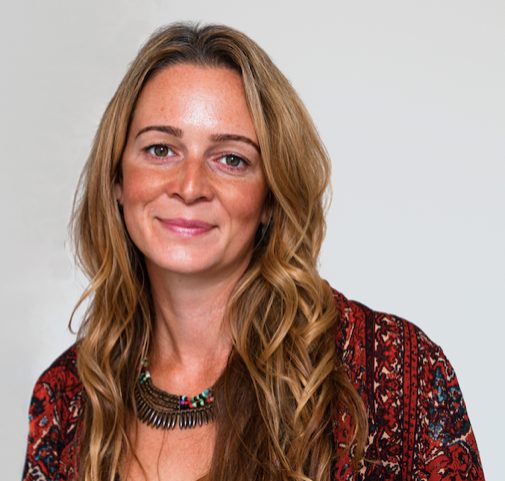
Running a business while drowning in admin chaos is like trying to drive with the handbrake on. Helen Parkinson, founder of Organise Me, has spent over six years helping business owners clear the mental and physical clutter that stops them from scaling. She shares with us why creating space comes before growth, the difference between being busy and being productive, and the simple systems that can transform how you run your business. If you’re feeling overwhelmed by everything on your plate but know you need to grow, this will show you exactly where to start.
What initially drew you to helping business owners with organisation and accountability, and how long have you been doing it for?
I’ve been doing this officially for over six years now, but truthfully, I’ve always been the one in my circles who gets things sorted. My job after leaving school was always around PA work. My company, Organise Me, started as a side hustle to earn a bit more money after having my second child, and that quickly turned into my full-time career. What drew me in was how much lighter people felt after we’d worked together, like they could finally breathe again and focus on the things they actually wanted to be doing.
What patterns do you see in struggling businesses?
The same stuff comes up time and time again:
- No clear systems (everything lives in someone’s head)
- Email and admin are taking over the actual work
- No real boundaries — especially if they’ve gone self-employed from a job
- And guilt… lots of guilt for not doing everything.
It’s never about laziness. It’s usually about trying to do it all without the right support or structure.
How do you define “making space” in a business context, and why is it essential for growth?
To me, “making space” means clearing the mental and physical clutter so there’s actually room to think, plan, and lead. If your head’s full of overdue invoices and a 200-email inbox, there’s no space for growth. You’re just surviving, not scaling.
What are the biggest space-blockers you see preventing business owners from growing, both physical and mental?
- Physical: A messy inbox, a calendar full of unprioritised tasks, no system to track work
- Mental: Fear of letting go, people-pleasing, perfectionism, and not knowing where to start. It’s often not about the to-do list — it’s the mindset around the to-do list.
Can you walk us through your process for helping a client identify where they’re losing time and energy to admin chaos?
We always start by tracking what’s actually happening on a day-to-day basis. I get them to list out everything they’re doing — not the ideal version, but the real one. Then we look at:
- What’s taking the most time?
- What’s not moving the needle?
- What could be automated, delegated, or scrapped altogether?
I help them zoom out and spot the patterns they’re too close to see. This then leaves a clear path of how I can help.
What’s the difference between being busy and being productive when it comes to business growth?
Busy is doing everything. Productivity is doing the right things. You can be flat-out for 12 hours and still not move your business forward if you’re stuck in admin or reactive work. Productivity is intentional. It’s choosing what matters and having the systems to back it up.
What are three immediate actions a business owner could take this week to create more space for strategic thinking?
- Schedule a ‘CEO Hour’ — block out one hour to work on the business, not in it.
- Do a task audit — write down everything you do in a week and mark what only you can do. Outsource the tasks YOU don’t need to be doing.
- Clear your inbox — not just replying, but setting up folders, unsubscribing, and building a better system.
How do you help clients distinguish between tasks they should handle personally versus delegate or eliminate entirely?
I always ask: Does this task need you, or just need doing? If someone else can do it 80% as well as you, and it’s not your genius zone, delegate it. And if it’s just busywork you’ve carried over for three weeks… it probably doesn’t need doing at all.
What role does saying “no” play in creating space, and how can business owners get better at it?
Saying “no” is essential, especially to anything that doesn’t align with your current goals or capacity. The biggest shift is realising that “no” doesn’t make you rude or unhelpful — it makes you focused. A great tip is to have pre-written responses or scripts so it feels easier in the moment.
What three organisational systems have you seen transform businesses most dramatically?
1. A simple Asana setup to plan and track weekly tasks.
2. Inbox systems with rules, folders and shared access.
3. A repeatable finance routine (weekly invoice day, receipt tracking, etc.).
The magic is never in the tech — it’s in making it actually work for the way they run their business.
How does having an accountability partner specifically help with maintaining the space needed for growth?
It stops you slipping back into old habits. When you’ve got someone checking in weekly, reminding you what you said was important, and helping you reset when life takes over, you stay focused. It’s less about pressure and more about having someone in your corner who’s keeping the momentum going.
What happens when business owners try to grow without first creating organisational space?
Everything breaks. Or they burn out. Or both. You end up hiring or scaling from a place of panic, which just creates more mess. If your foundations are shaky, growth only magnifies the chaos. I always say, ‘Slow down to speed up.’
Can you share a success story of a client who made significant space and how it impacted their growth?
One client came to me completely overwhelmed—missing invoices, lost emails, no system in place. Within six weeks of us working together, they had established an inbox system, a weekly finance routine, and a clear task board. That space meant they could finally hire their first team member, because they actually had a process to hand things over. Now they’ve doubled their income and actually enjoy their business again.
What’s the most surprising area where you’ve helped a business owner reclaim time or mental energy?
Honestly? Helping someone batch their tasks with time blocking. It sounds small, but being reactive was destroying them. We set up boundaries, non-negotiable time blocks, and had a dollop of accountability thrown in there. Total game-changer.
How should business owners think about scaling their organisation’s systems as they grow?
Think in layers. Start with what works for you as a solo business owner, then build for a team. That means documenting processes, using shared tools, and keeping things simple — don’t overcomplicate it. Systems should support your growth, not slow it down.
What advice would you give to someone who feels too overwhelmed to even start organising?
Start tiny. Pick one thing — your inbox, your task list, your calendar — and just get that working better. You don’t have to do it all at once. And you don’t have to do it alone. If you’re in the weeds, just reach out — that’s literally what I help with.
Find Helen Parkinson on LinkedIn and visit Organise Me.